




Values & Ideals
- Home
- Values & Ideals
Justice and Rightful Governance
Principle of Justice
Surendra Sai firmly believed that governance must be rooted in justice, fairness, and moral responsibility. He opposed the unjust policies imposed by British authorities, which disregarded local traditions and the rights of the people of Sambalpur. For him, justice was not merely a political demand but a moral obligation to protect his land and community. His resistance was guided by the principle that leadership should serve the people and uphold righteousness over oppression.
Rightful Claim to the Throne
As a legitimate descendant of the Chauhan dynasty, Surendra Sai had a rightful claim to the throne of Sambalpur after the death of the ruling king. However, British interference in the succession process denied him this position, disrupting traditional governance systems. This act of political injustice became a turning point in his life. Rather than accepting colonial authority, he transformed his personal claim into a broader movement for regional dignity and self-rule, standing as a defender of lawful succession and indigenous governance.
Protection of Sovereignty
Surendra Sai’s struggle extended beyond personal ambition; it was a determined effort to preserve the sovereignty of Sambalpur. He sought to protect the autonomy of his region from foreign administrative control and unfair taxation policies. By uniting tribal communities, local leaders, and peasants, he built a strong resistance movement that emphasized self-governance and regional pride. His fight symbolized the larger desire for independence and the protection of cultural identity against colonial domination.
Ethical Leadership
Throughout his resistance, Surendra Sai demonstrated ethical and people-centered leadership. He inspired loyalty not through fear, but through courage, integrity, and commitment to justice. His ability to bring together diverse groups under a shared vision of freedom reflected his deep understanding of responsibility and unity. Even in the face of imprisonment and hardship, his principles remained unwavering, making him a lasting symbol of honorable leadership and sacrifice.
Tribal and Rural Communities
🌿
Ethical Leadership
Surendra Sai united various tribal groups across the Sambalpur region under a common cause.
🌾
Rural Participation
Beyond tribal warriors, Surendra Sai gained strong support from rural peasants and village leaders.
🤝
Collective Leadership
leadership style encouraged rather than hierarchy. He worked alongside community leaders.
🛡️
Culture & Land
uniting communities, Surendra Sai aimed to defend not only political rights but also land ownership.
Land and Regional Sovereignty
Surendra Sai devoted his life to safeguarding the land, forests, and traditional rights of Sambalpur from British colonial domination. For him, the struggle was not limited to reclaiming political authority—it was about preserving the very foundation of regional identity and autonomy. The British annexation of Sambalpur disrupted established systems of governance, imposed unfair taxation, and interfered with indigenous administrative practices. Surendra Sai viewed these actions as direct threats to the dignity and sovereignty of his homeland. Understanding the deep connection between the people and their land, he mobilized tribal communities, rural peasants, and local leaders to resist foreign control. The forests and hills of Western Odisha became strategic grounds for guerrilla resistance, symbolizing both physical protection and cultural resilience. His movement emphasized that true freedom required control over one’s territory, resources, and governance systems. Through decades of struggle, Surendra Sai transformed the defence of land into a broader vision of self-rule and regional pride. His unwavering stand against colonial expansion made him not only a political rebel but also a guardian of cultural heritage and sovereignty. Even today, his legacy reminds us that the protection of land and identity is central to the spirit of freedom.
Courage and Sacrifice for Freedom
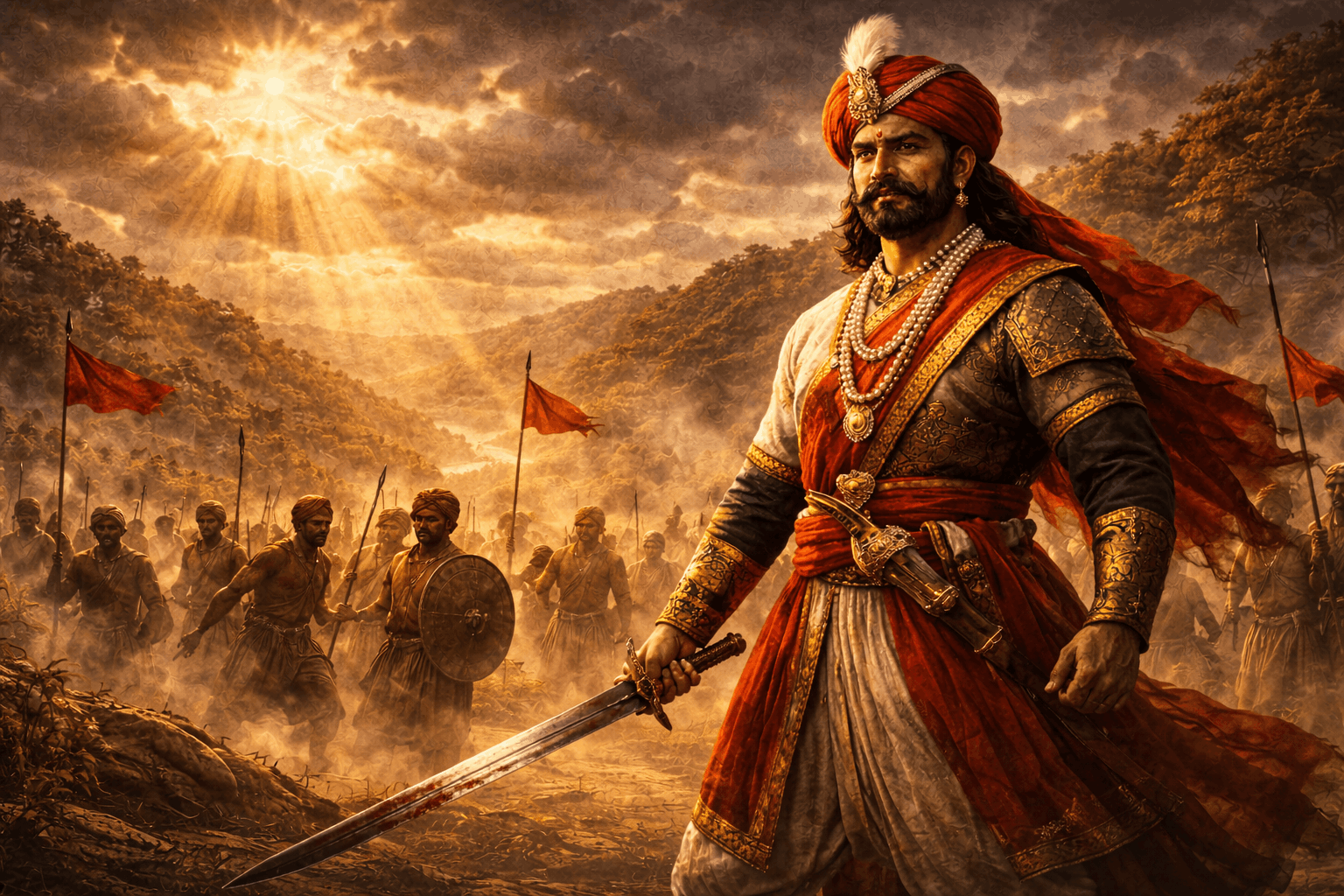
Surendra Sai embodied extraordinary courage in the face of colonial oppression. For decades, he led relentless resistance against British rule, enduring imprisonment, hardship, and separation from his homeland without surrendering his principles.

Unwavering Courage
Surendra Sai displayed extraordinary bravery throughout his long resistance against British rule. Even when surrounded bycolonial forces, he to lead tribal warriors with confidence and determination. His courage was not momentary—it endured through decades of struggle, making him a true symbol of fearless leadership.
Sacrifice for Freedom
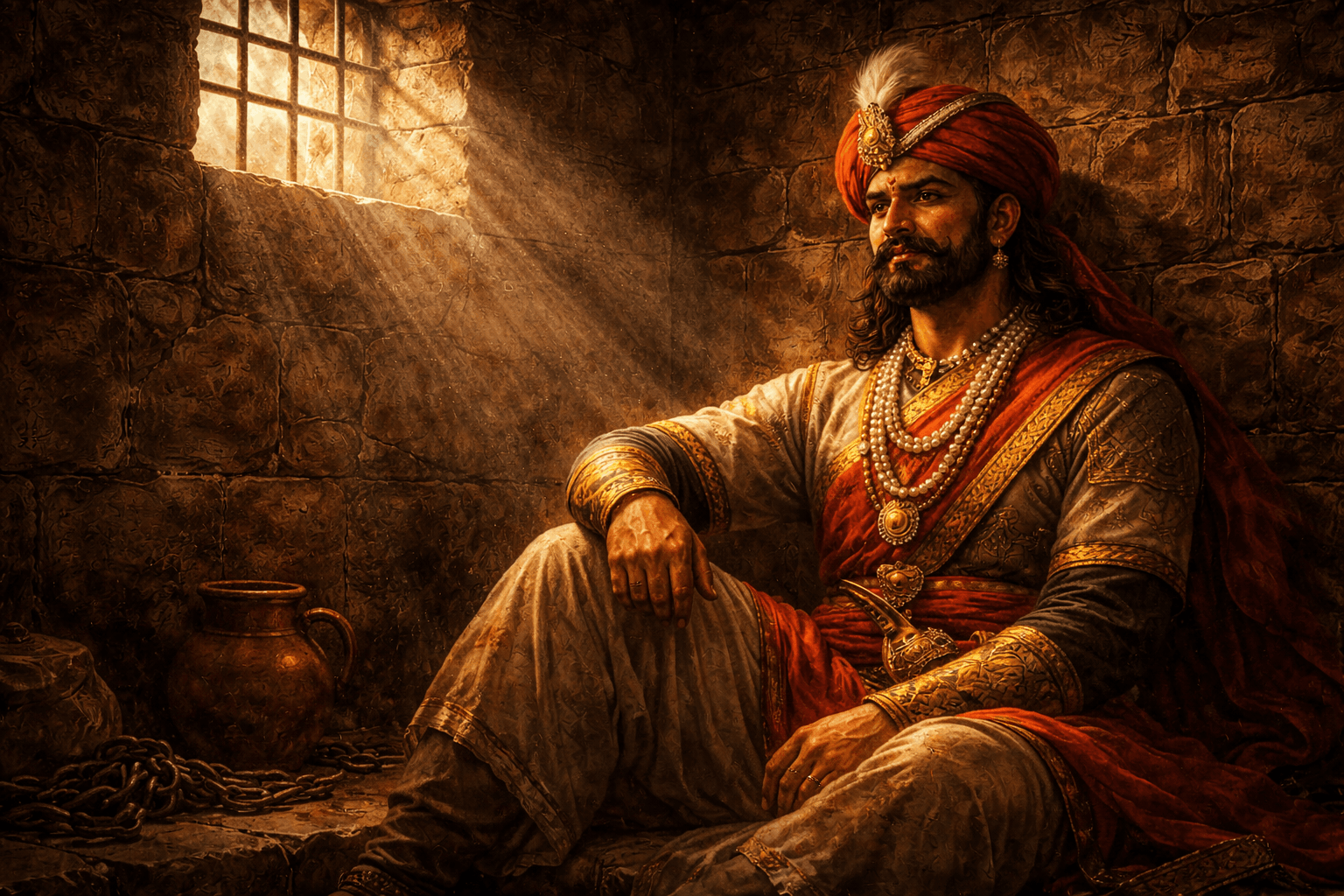
Surendra Sai sacrificed personal comfort, royal privilege, and eventually his freedom for the cause of independence. Imprisoned for many years by the British, he endured hardship without surrendering his ideals. His sacrifice became a powerful reminder that true freedom often demands resilience, suffering, and unwavering commitment.