Imprisonment & Legacy

Capture and Martyrdom

Arrest After Years of Resistance

After decades of leading armed resistance against British rule, Surendra Sai was finally captured by colonial authorities. His arrest marked a significant moment in the struggle of Sambalpur, as the British sought to suppress the powerful regional movement he had sustained for years.

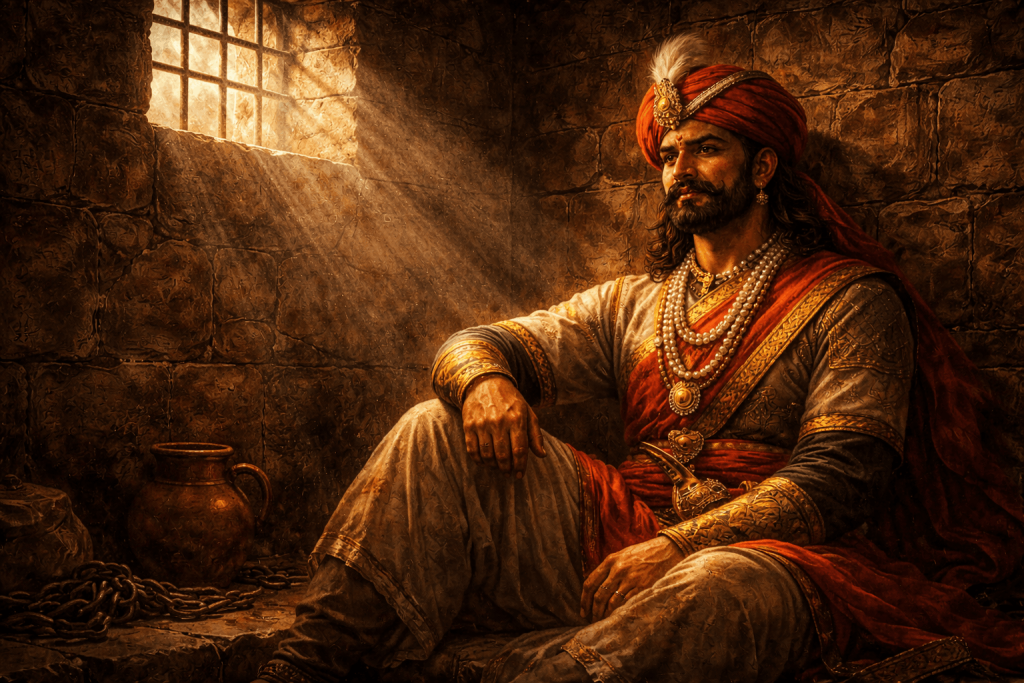
Following his capture, Surendra Sai was imprisoned in the historic Asirgarh Fort in present-day Madhya Pradesh. Far from his homeland, he endured harsh confinement and isolation. The British hoped that imprisoning him would weaken the spirit of resistance in Odisha.

Despite the physical hardships and long years of imprisonment, his resolve remained strong. He refused to abandon his principles or accept colonial authority. Even in confinement, he stood as a symbol of resilience and unwavering courage.

Surendra Sai passed away in captivity on 28 February 1884. Though his life ended within prison walls, his sacrifice strengthened his legacy as one of Odisha’s greatest freedom fighters. His martyrdom continues to inspire generations to value justice, sovereignty, and the spirit of independence.

Recognition & Memorials

Freedom Fighter

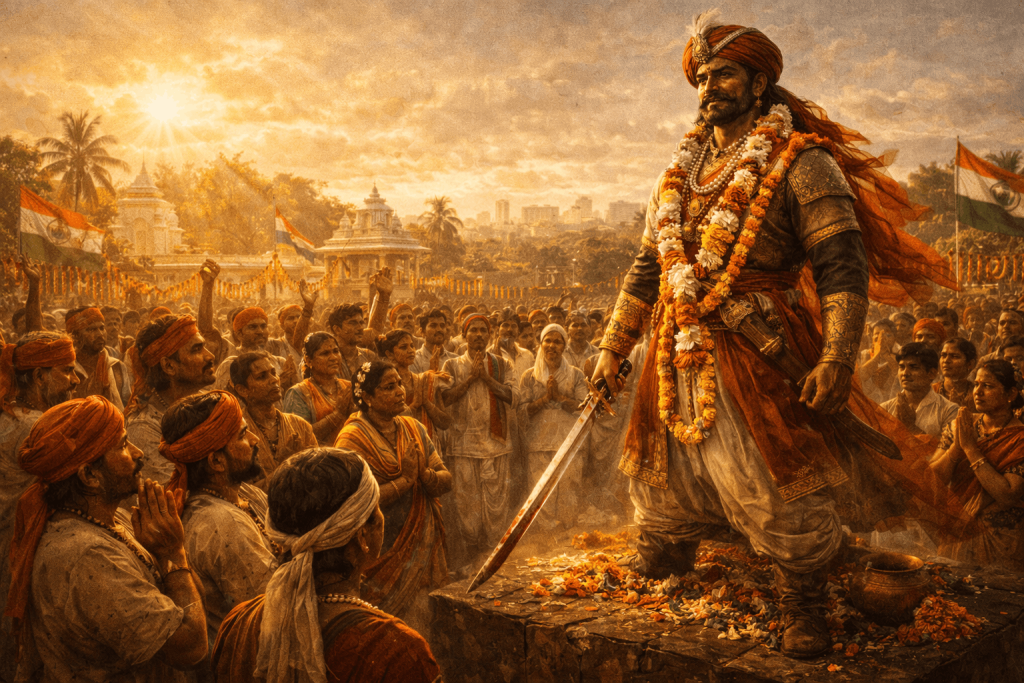
Surendra Sai is widely celebrated as one of Odisha’s greatest freedom fighters, remembered for his bravery.

Memorials & Statues

Statues and memorial sites across Sambalpur stand as lasting tributes to his courage and leadership.

Institutions in His Name

Respected institutions like Veer Surendra Sai University of Technology (VSSUT), Burla proudly carry forward.

Cultural Legacy

His story lives on in Odisha’s history books, folklore, and  as a symbol of resistance and pride.

Influence Today

Regional Pride & Tribal Unity

Surendra Sai continues to inspire strong regional identity and unity among tribal and rural communities, reinforcing the spirit of collective strength and cultural pride.

Historical Research & Education

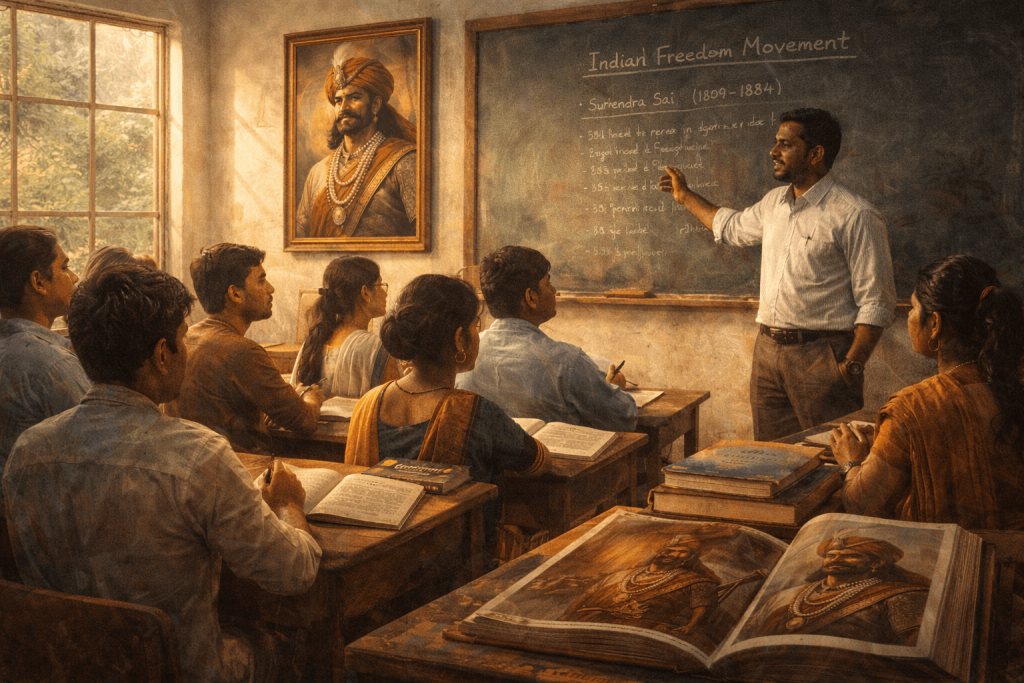
His life and resistance are widely studied in academic research, schools, and universities, ensuring that future generations understand Odisha’s vital role in India’s freedom.

Cultural Preservation

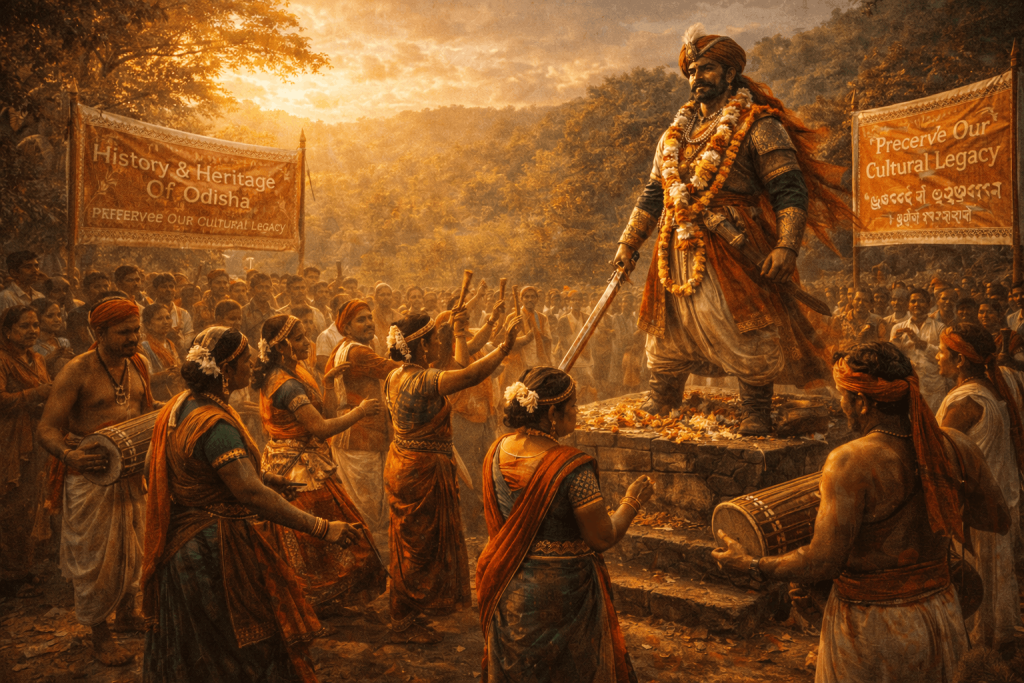
His legacy fuels movements dedicated to preserving indigenous traditions, heritage sites, and regional history, keeping the spirit of resistance and sovereignty alive.

Scroll to Top